Physical Observability Platform
by Tirion Systems
Know everything that flows through your network.
The operational intelligence OS for the 100,000 electric, water, and waste utility operators that enterprise software was never built to serve. From billing data to field sensors — every asset, every flow, every alert, visible for the first time.
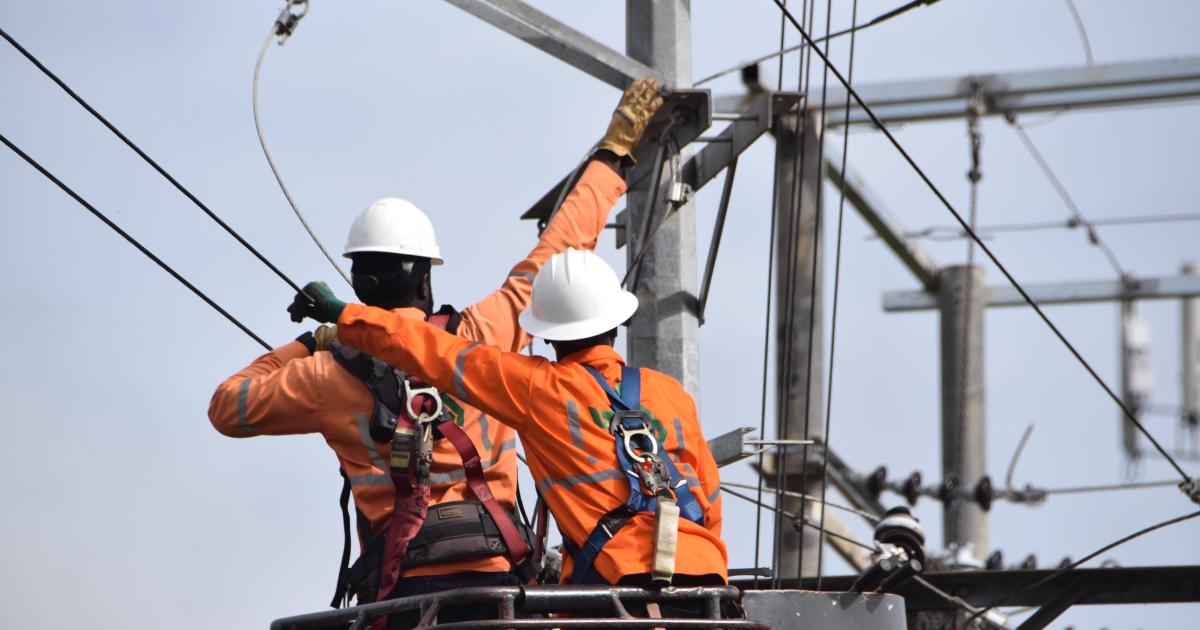
Electric, water, and waste operators manage 30% of continental distribution capacity with paper logs, WhatsApp dispatch, and zero sub-station telemetry — invisible until it's already a crisis.
A typed graph of every asset — transformers, feeders, customers, complaints, work orders, sensors — deployed in 30 days against your existing billing and GIS data. No new sensors required to start. Energy balance per feeder visible from day one.
AI agents with structured tool use over the ontology — in natural Spanish and English. Complaint triage, regulatory report generation, maintenance scheduling, and an operator copilot that turns a question into a dispatched work order in one click.
CDTM sensor nodes at $180/unit vs. $1,500–4,000 for Siemens or ABB. A 500-transformer utility fully instrumented for $90k instead of $750k. Self-diagnosing firmware, mail-replacement model — zero truck rolls from Tirion Systems.
What We Build
There are 100,000 electric, water, and waste distribution operators worldwide serving fewer than 100,000 connections each. Together they manage 30% of continental distribution capacity and $25B in annual operating expenditure — with paper logs, WhatsApp dispatch, and zero sub-station telemetry.
Palantir starts at $3M/year. Siemens takes 18 months to deploy. Ulmo Grid deploys in 30 days against your existing data, with no new IT staff required, at a price a cooperative board can approve in a single meeting.
How It Works
No hardware required to start. We ingest your existing data — billing records, GIS files, historical Excel logs, legacy SCADA exports, complaint spreadsheets — and build the ontology of your network from sources you already operate. Energy balance per feeder and loss attribution are visible within the first 30 days.
Field crews and meter readers work through a mobile app that captures readings, photos, and geo-tagged events on the spot — no paper, no re-entry. Customer complaints flow through a dedicated digital channel and are automatically correlated with network assets, alerting the control room operator the moment a pattern emerges on any part of the grid.
Once the software layer is live, utilities can instrument the most critical nodes of their network — transformers, pump stations, pressure zones — in affordable batches, without a large upfront commitment. Each sensor added feeds real-time data directly into the digital twin, sharpening predictive models and closing the last gaps in network visibility.